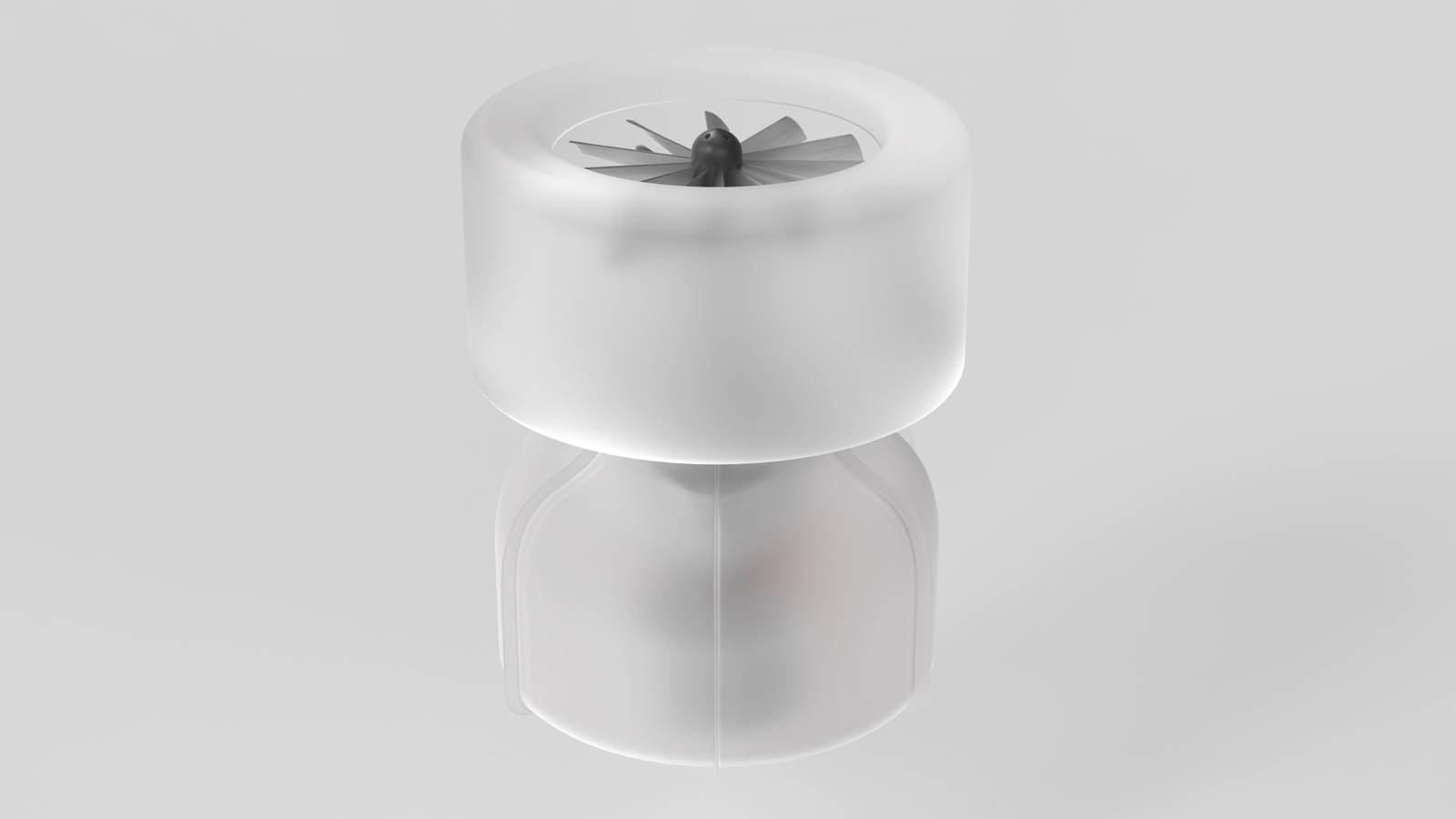
SOGES was developed as Unit 10 of the BA Product & Industrial Design programme at Central Saint Martins (UAL), submitted May 2022. The brief was set by Sky Group as part of its Bigger Picture sustainability programme — an Albert-accredited commitment to carbon neutrality by 2030, backed by an £11m investment into new sustainability ventures. Sky’s motivation was material: approximately 800 tons of mild-steel satellite-dish hardware sat in their inventory as products were retired, a redundant stockpile suitable for productive reuse.
Aerodynamic development was reviewed by Dr. Jun Ma (University of Cambridge) and Professor Ning Qin (University of Sheffield).
The brief, and the constraint.
01 / PROBLEMThe exact wording: “Develop a product or concept that utilises mild steel as a key part of its construction. The item should sit within the domestic setting.” SOGES (system name: Sky Power) is the response. Decommissioned dishes are processed into the structural steel for a domestic-scale wind-turbine + battery + control-hub system, delivered as a subscription product. The home-energy hub runs in Saving Mode when occupants are away, optimising consumption around generation rather than treating them as separate problems. Aligns with UN SDG 7 (clean energy), 8 (decent work), 11 (sustainable cities), and 12 (responsible consumption).
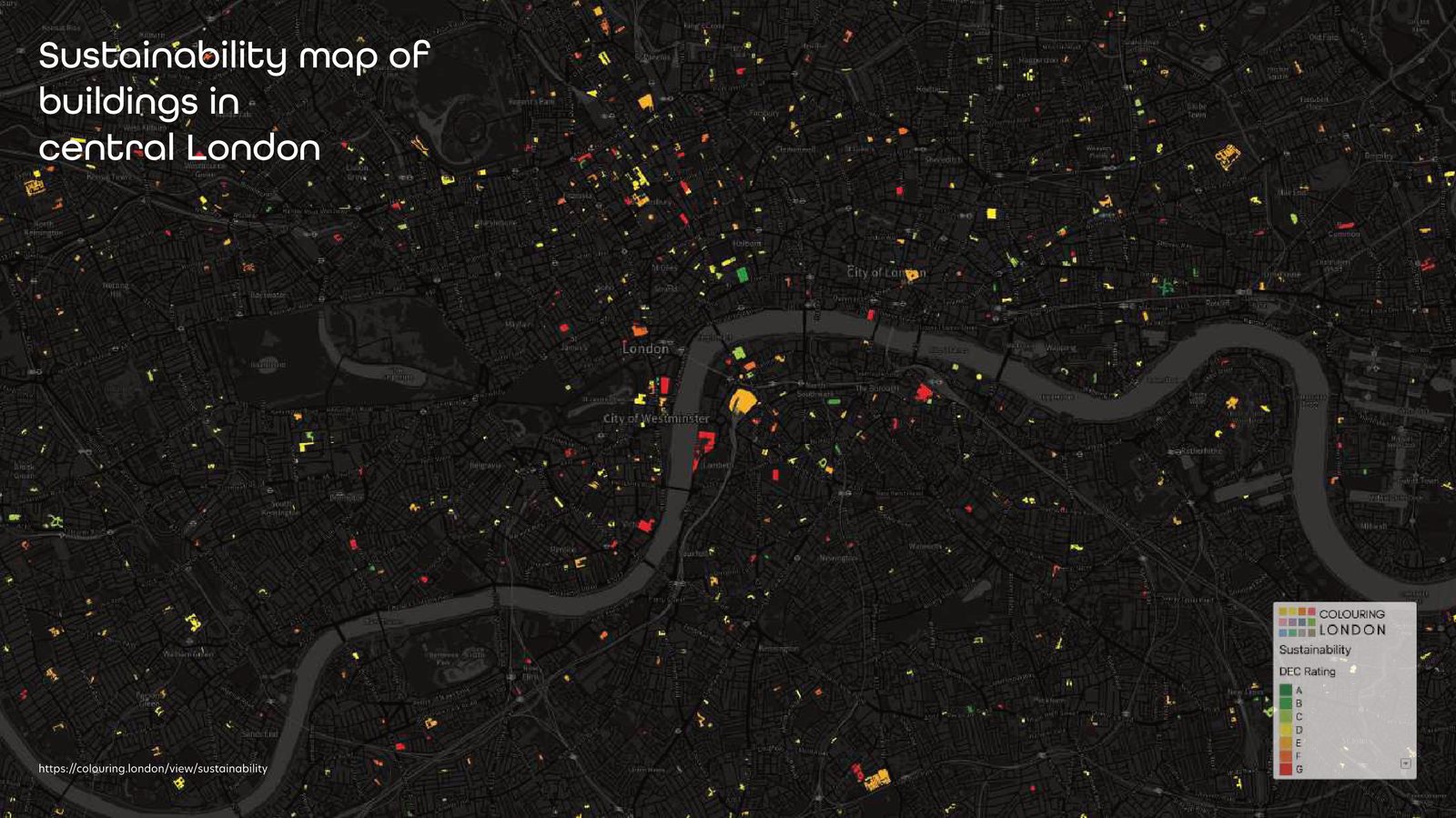
Siting precision used the colouring.london open dataset — building height, type, use, and sustainability layers cross-referenced into 3D urban wind maps locating turbines where airflow is sufficient and rooftop geometry is appropriate. Output: ~22.9 W per turbine baseline, scaling to 95–225 W/h in array configuration.
Four iterations, two universities.
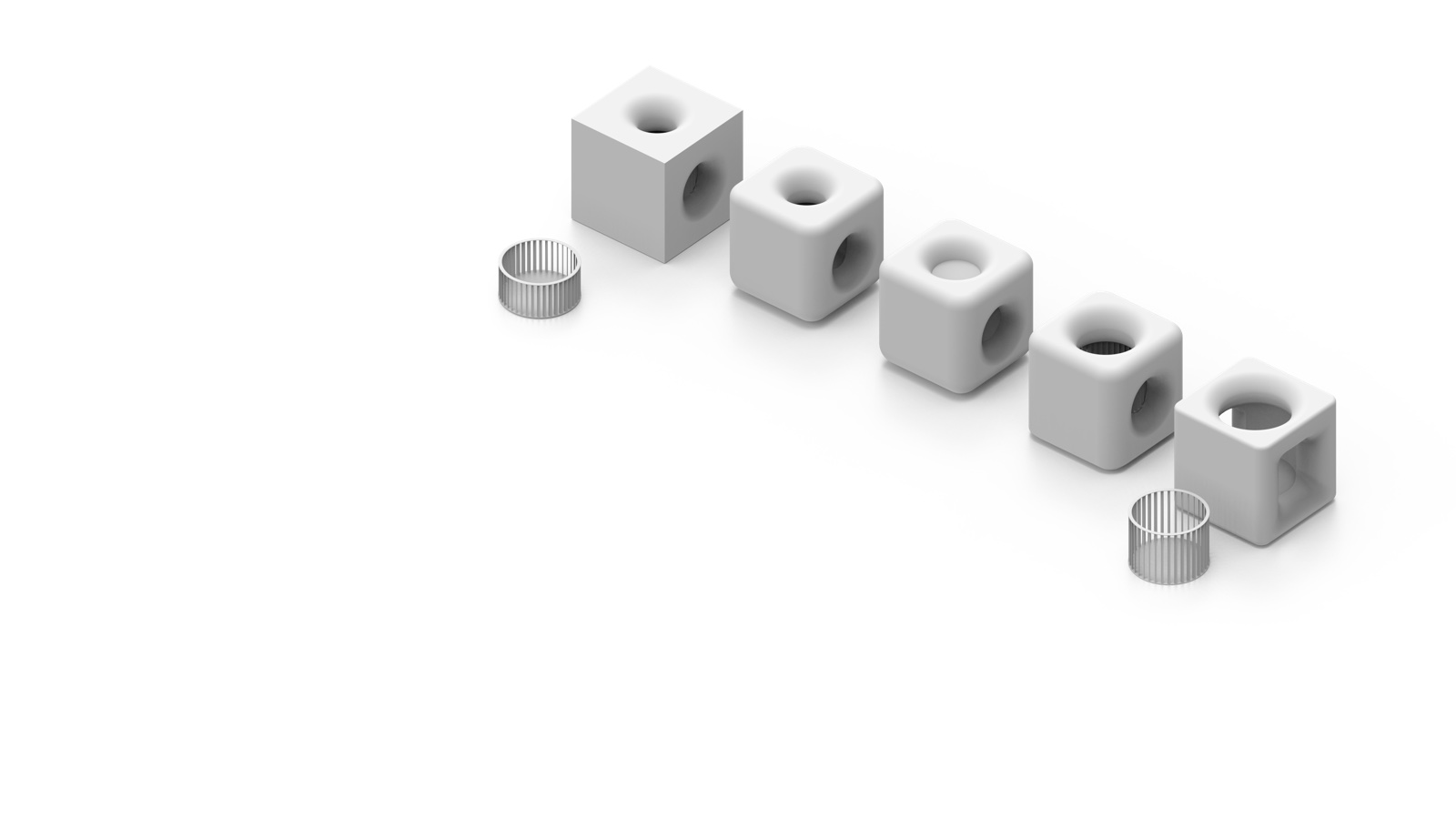
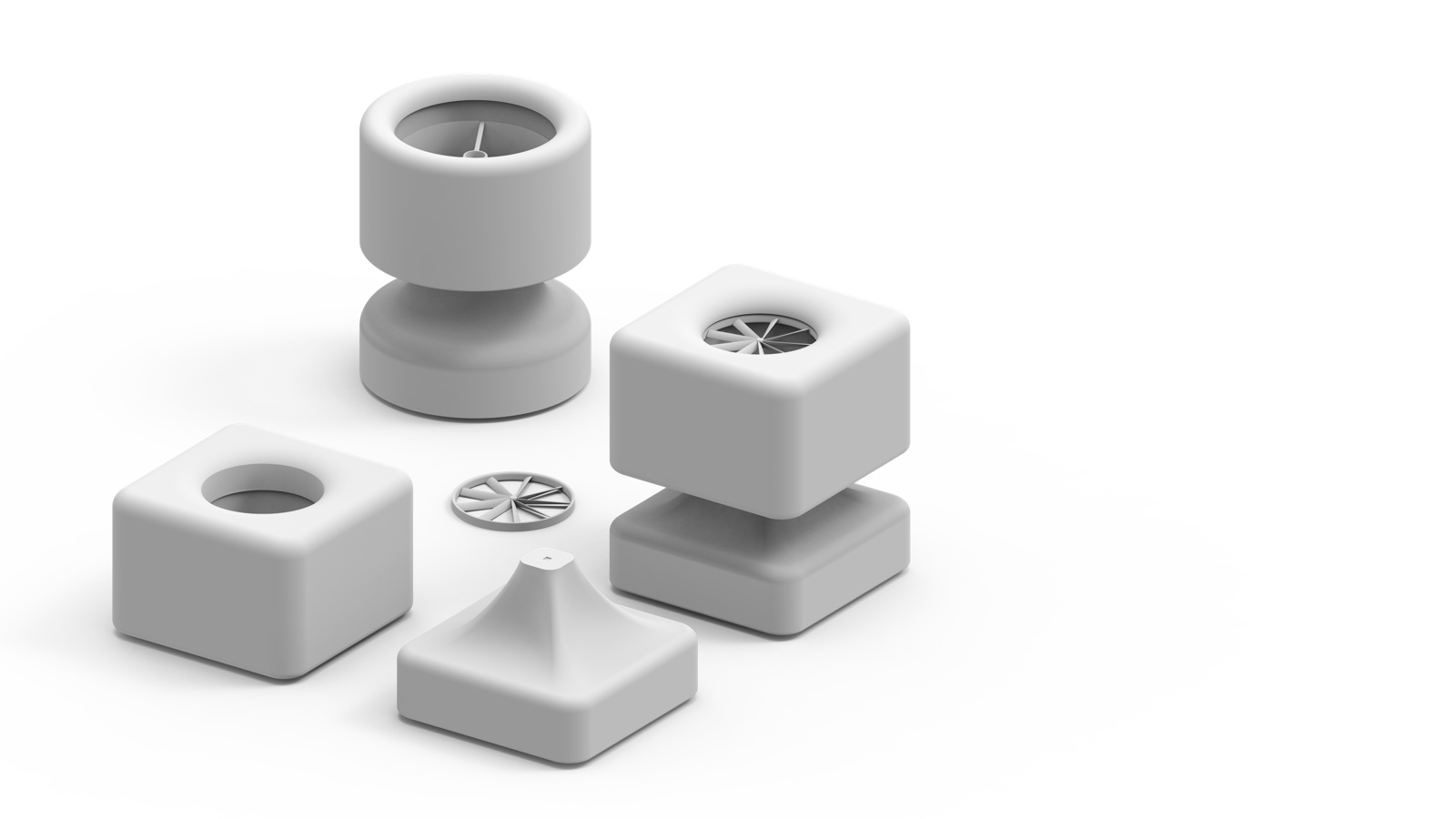
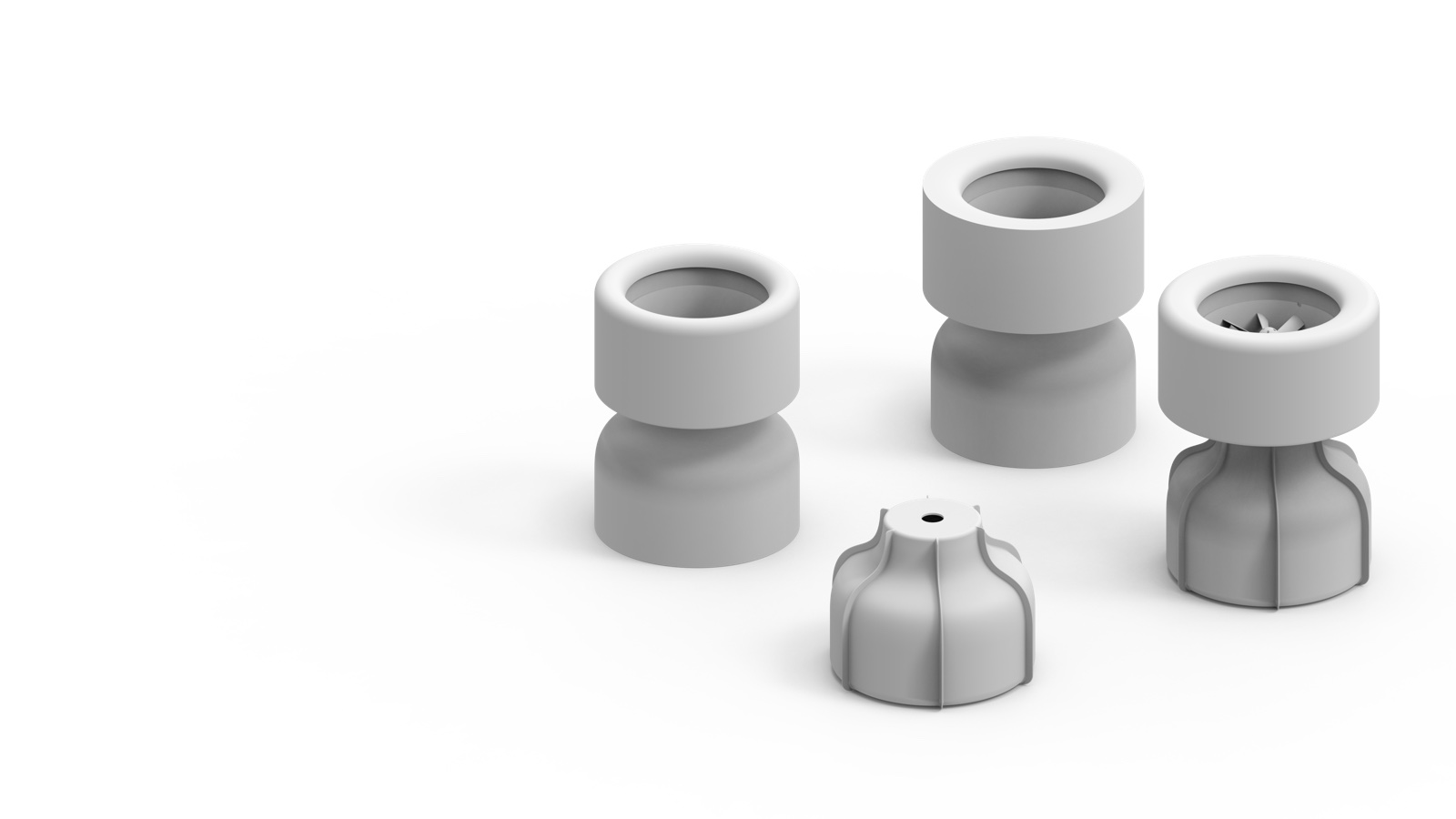
02 / ENGINEERINGAerodynamic development was supported by Dr. Jun Ma (PhD, University of Cambridge) and Professor Ning Qin (PhD, CEng, AFAIAA, FRAeS, University of Sheffield), who reviewed blade geometry, airflow behaviour, and structural decisions. The turbine progressed through four iterations (V1–V4), each modelled in SolidWorks, simulated for pressure and acoustic behaviour, and refined against review feedback — with Dr. Ma’s review sitting between V3 and V4. Final blade geometry follows HAWT (horizontal-axis wind turbine) principles within the Betz limit (Cp ≤ 0.59); Qin’s working estimate of Cp Max ≈ 0.5 was used for power calculations.
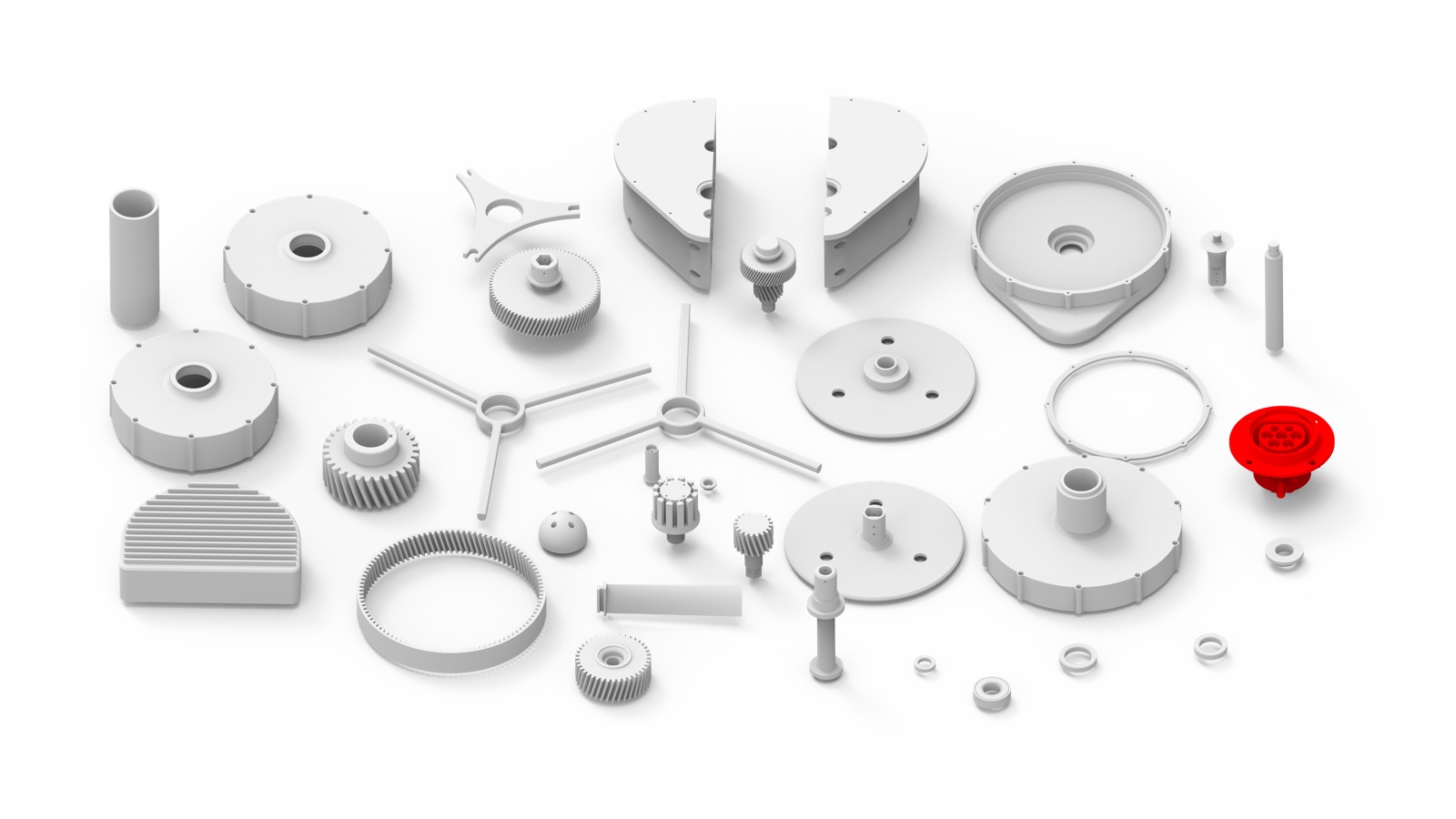
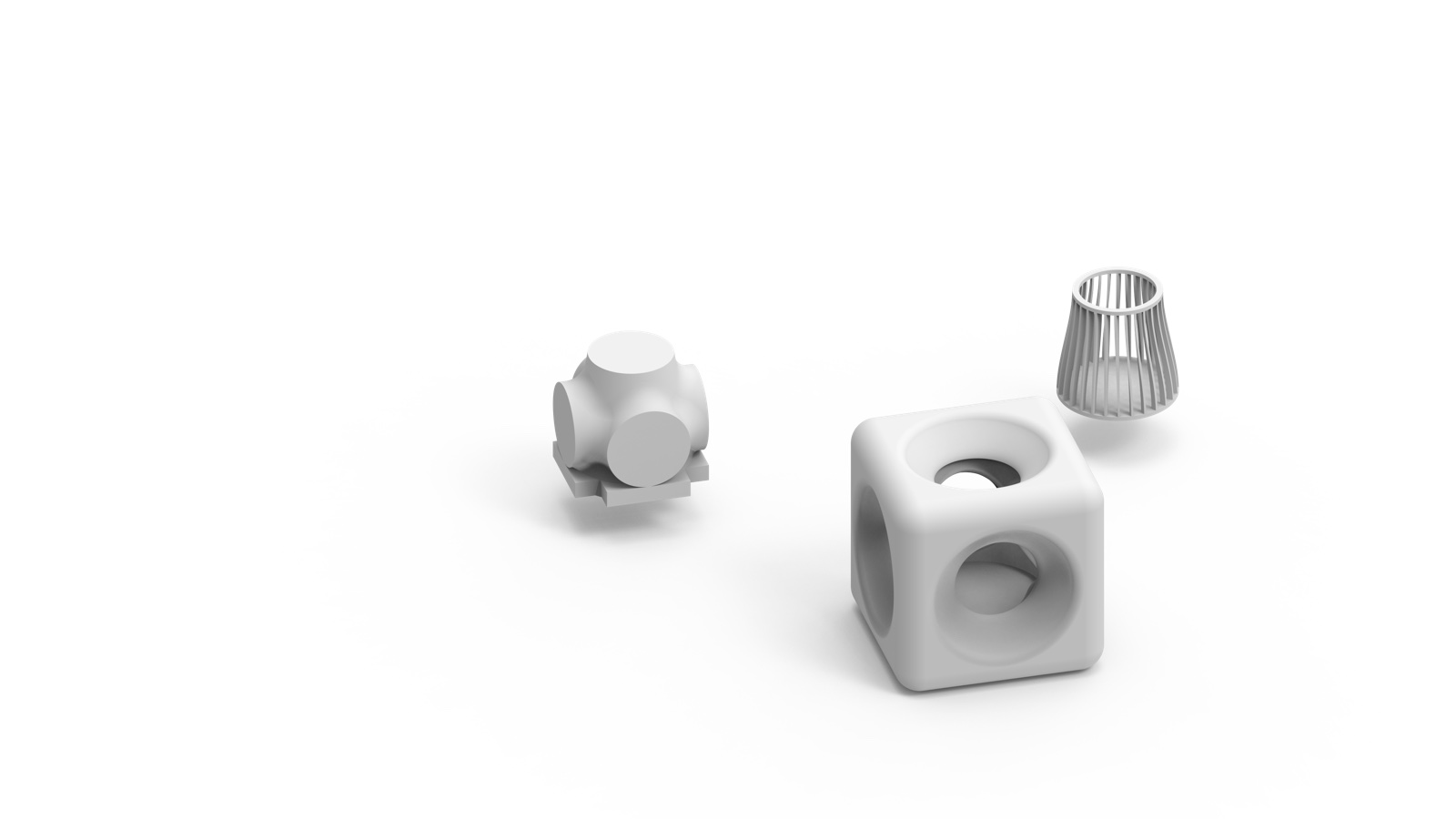
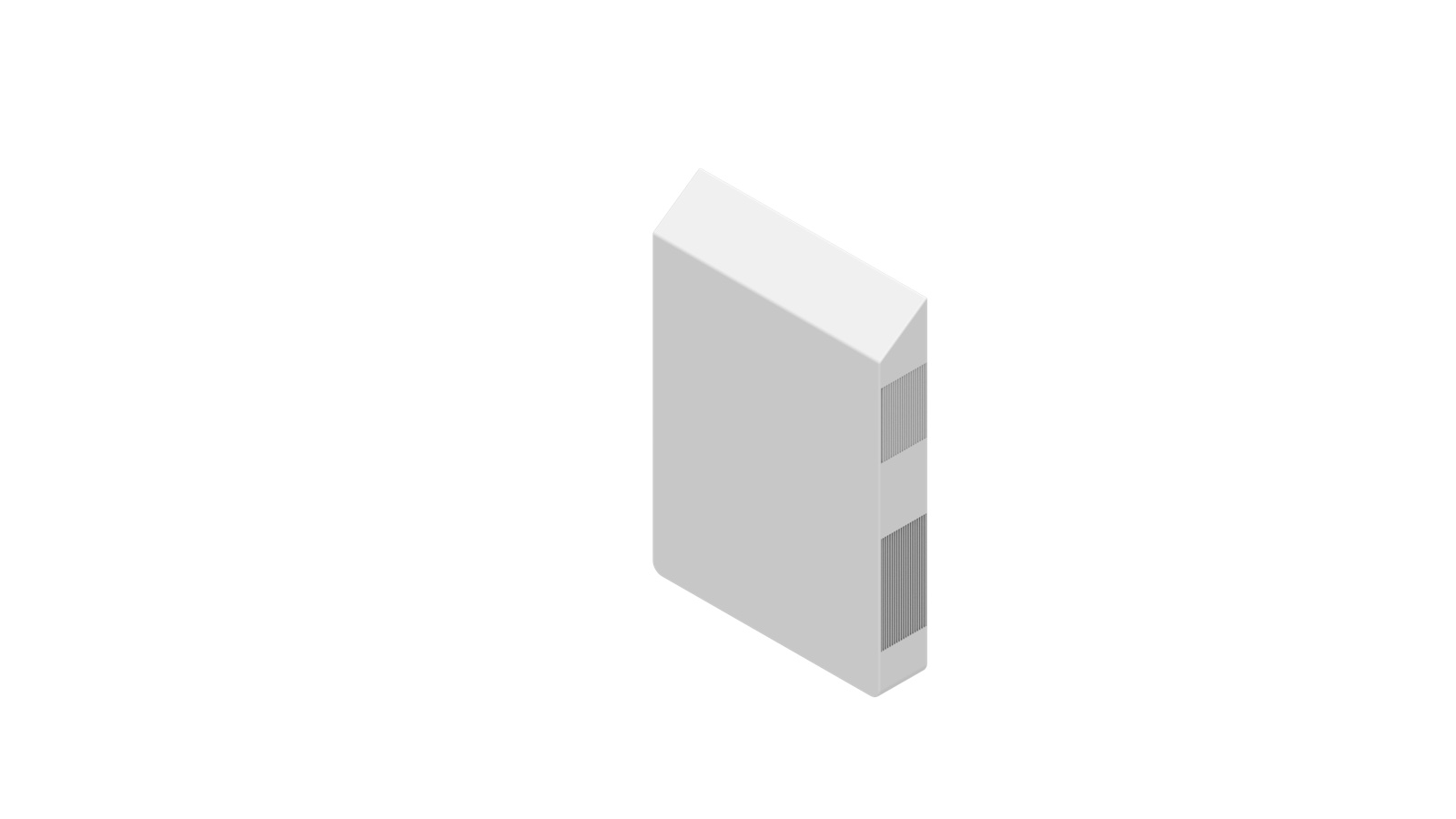
The mechanical assembly was specified for injection moulding: upper and lower housings, HAWT blades on a rotary shaft, a 1:120 gearbox, generator, PCB control board, and grid-connection socket — all designed for manufacture from recycled satellite-dish steel.
A connected system, not a single product.
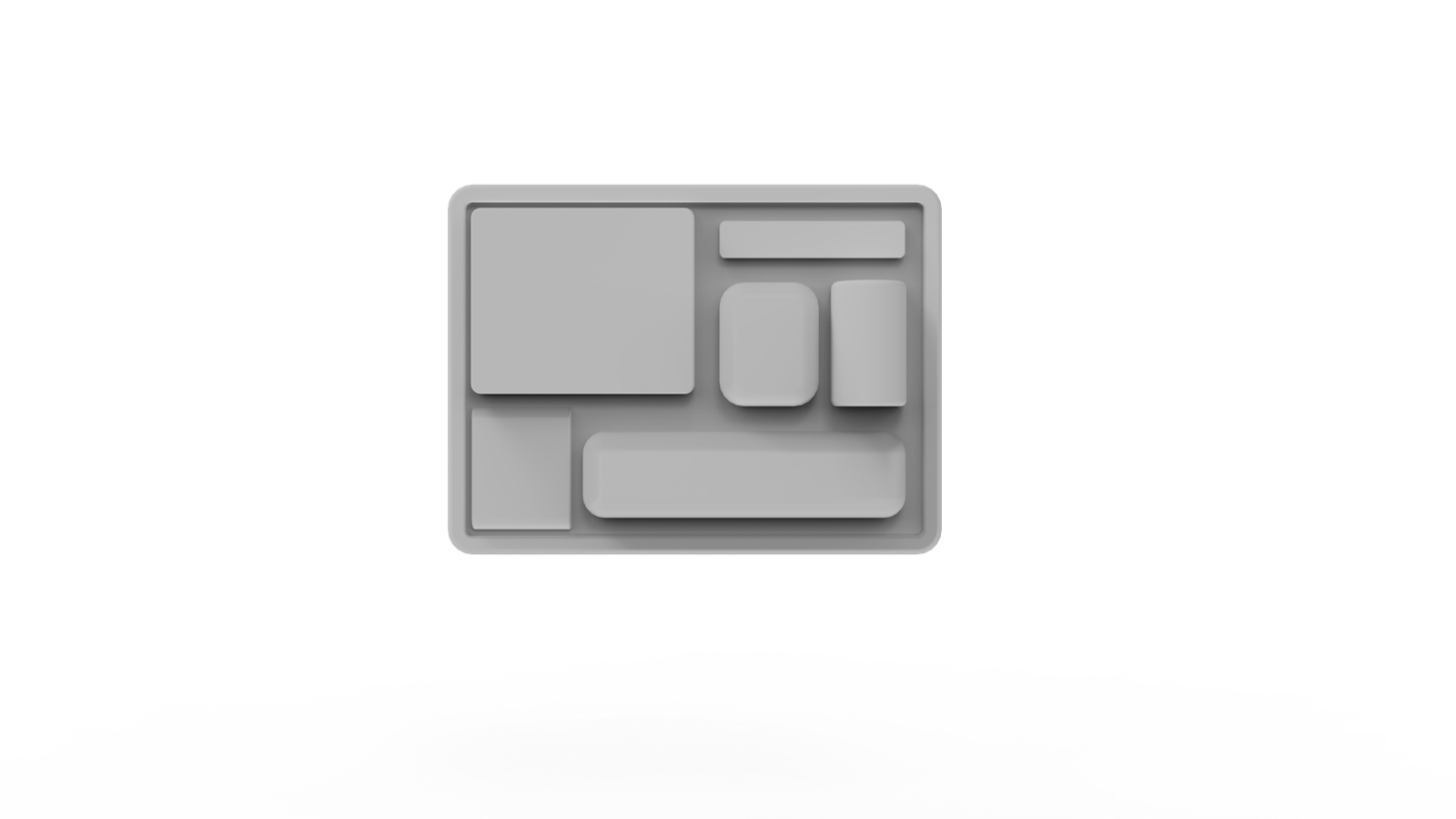
03 / SYSTEMThe user-facing system extends across three hub sizes (S, M, L) scaled to room dimensions, each connecting to a battery box, electricity panel, utility meter, and grid input — making the platform installable from single-room flats through to multi-room residences. The business model maps Sky’s existing subscription expertise onto a hardware-as-service offering: against an average UK electricity bill of £1,339/year (May 2022, £0.19/kWh), the turbine contributes approximately £113.15/year in generation savings and the Saving Mode hub reduces wasted household energy from 46% to 40%, contributing a further £80.34/year — net user benefit of approximately £40.34/year on the full system at a £8/month + £10/month subscription, with a ~10.4-year payback on turbine hardware alone.
Outcome.
04 / RESULTSOGES began with a fixed client constraint — Sky’s 800-ton mild-steel inventory — and expanded outward into a connected home-energy system. The discipline was deciding which constraints to honour as design inputs (the existing subscription expertise, the dish steel’s structural properties, the planning realities around rooftop turbines) and which to push back against (a single product was insufficient; the brief was incomplete without the hub and battery context).
What carried forward from here: engineering specificity over conceptual gesture (gearbox ratios, blade geometry within the Betz limit, recyclable-material specs as design content); manufacturer and supplier reality treated as a design input from day one; and stakeholder-side reasoning — a client’s sustainability platform, a planning officer’s constraints — folded into the brief, not retrofitted at the end.